Ever wondered how to unlock the full potential of your electric stove, transforming it into a versatile cooking station for everything from fluffy pancakes to sizzling fajitas? The secret often lies in one indispensable piece of cookware: the Griddle Pan For Electric Stove. This isn’t just another pan; it’s a gateway to expanded culinary possibilities, offering a vast, even cooking surface that your regular skillets simply can’t match.
What is a Griddle Pan for Electric Stoves?
A griddle pan for an electric stove is essentially a large, flat cooking surface designed to be placed directly on your stovetop burners. Unlike standalone electric griddles, which have their own heating elements and controls, stovetop griddle pans leverage the existing heat of your electric range. They typically come in square or rectangular shapes, often designed to span two burners, effectively doubling your cooking area. This design makes them a game-changer for electric cooktops, allowing you to cook multiple items simultaneously and achieve that coveted uniform browning.
“A stovetop griddle pan is about maximizing your existing kitchen real estate,” explains Chef Anya Sharma, a culinary instructor and long-time advocate for smart kitchen solutions. “It takes the reliable heat of your electric burners and spreads it across a wider, more accessible 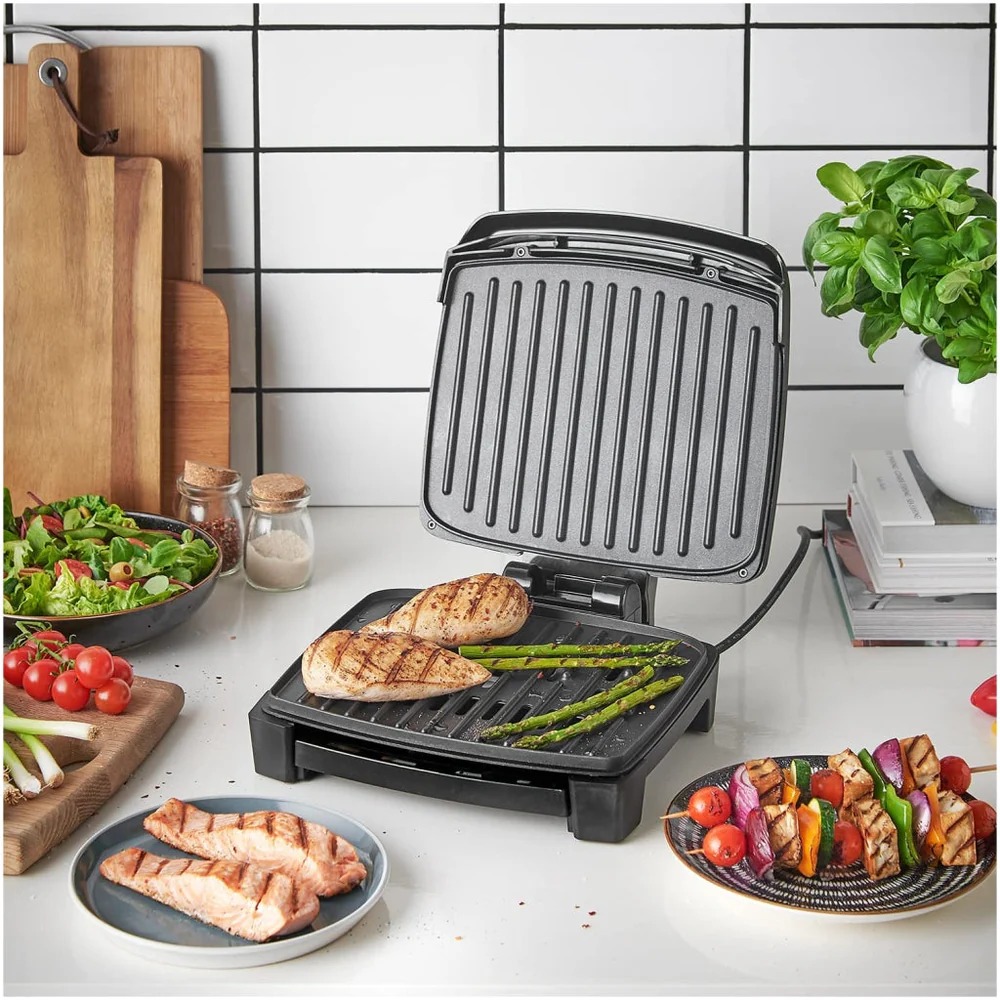 surface, perfect for families or anyone who loves to cook in batches.”
Types of Griddle Pans and Essential Features
Choosing the right griddle pan for electric stove means understanding the materials and features that best suit your cooking style and stove type.
Material Matters: Choosing Your Griddle Pan
The material of your griddle pan significantly impacts its heat distribution, retention, and maintenance.
- Cast Iron: Known for its exceptional durability and superior heat retention, cast iron is a powerhouse in the kitchen. Once preheated, it maintains a consistent temperature, ideal for searing and achieving a beautiful crust. However, cast iron pans can be quite heavy and require regular seasoning to build a natural non-stick surface. If you have a glass-top electric stove, use cast iron with care to avoid scratches.
- Hard-Anodized Aluminum: This material is an excellent heat conductor, ensuring quick and even heating across the griddle’s surface. Often paired with a durable non-stick coating, hard-anodized aluminum griddle pans are typically lighter than cast iron and frequently oven-safe, adding to their versatility.
- Carbon Steel: Combining some of the best qualities of cast iron and stainless steel, carbon steel griddle pans are durable and responsive to temperature changes. They require seasoning, similar to cast iron, to develop their non-stick properties, but are generally lighter and heat up faster.
- Stainless Steel (with Non-Stick Coating): Stainless steel griddle pans are known for their ease of cleaning and resistance to corrosion. When featuring a tri-ply construction, they can offer good heat distribution. Many come with a non-stick layer, making them a practical choice, especially for glass-top stoves where heavy cast iron might be a concern.
- Ceramic Non-Stick: For those prioritizing easy food release and healthier cooking, ceramic non-stick griddle pans are an excellent option. They often feature PFAS-free coatings, heat evenly, and are a breeze to clean. Their smooth surface ensures pancakes and eggs glide off effortlessly.
Size, Shape, and Design Innovations
Beyond material, the physical design of a griddle pan is crucial for optimal performance on an electric stove.
- Flat Bottoms: This is non-negotiable for electric cooktops. A perfectly flat bottom ensures maximum contact with the heating elements, leading to efficient and even heat transfer.
- Single vs. Double-Burner: While single-burner griddle pans offer a larger surface than a standard frying pan, double-burner models are a true game-changer. They span two burners, creating an expansive cooking area perfect for a family breakfast or batch cooking.
- Rolled Edges and Handles: Features like slightly rolled edges can help contain juices and prevent spills on your stovetop. Ergonomic, cool-touch, or raised handles are also vital for safe and comfortable handling, especially when moving a hot, loaded griddle pan.
- Reversible Options: Some griddle pans offer a reversible design, with a flat griddle surface on one side and a ribbed grill surface on the other. This adds immense versatility, allowing you to achieve beautiful grill marks on meats and vegetables.
How to Choose the Perfect Griddle Pan for Your Electric Stove
Selecting the ideal griddle pan for electric stove involves a few key considerations:
- Stove Compatibility: Ensure the pan has a flat bottom for efficient heat transfer on electric coil or smooth-top ranges. If you have a glass-top stove, look for materials that won’t scratch the surface, such as smooth stainless steel or hard-anodized aluminum. Cast iron can be used, but gentle handling is essential.
- Cooking Needs vs. Griddle Size: Are you cooking for one or a crowd? A double-burner griddle offers ample space for larger meals, while a single-burner pan might suffice for smaller households or limited storage. Measure your stove to ensure the griddle fits securely over your burners.
- Maintenance Preferences: If you prefer minimal fuss, opt for non-stick or enameled cast iron pans that are easier to clean and don’t require seasoning. If you appreciate the long-term benefits and durability, a traditional cast iron or carbon steel griddle pan is an excellent investment, understanding the care they entail.
- Heat Distribution: Look for heavy-duty construction and materials known for even heat spread, like cast iron or thick aluminum. This prevents frustrating hot and cold spots that can lead to unevenly cooked food.
Using Your Griddle Pan on an Electric Stove Like a Pro
Mastering your griddle pan on an electric stove is all about a few smart techniques.
Optimal Positioning and Preheating
Place your griddle pan carefully over one or two burners, ensuring it sits evenly and spans the heating elements properly, especially for double-burner models. For consistent results, preheat your griddle pan slowly over medium heat. This gradual process allows the entire surface to reach a uniform temperature, preventing warping and ensuring even cooking. A simple test for readiness: sprinkle a few water droplets on the surface; if they dance and evaporate quickly, your griddle is hot enough.
Masterful Temperature Control
Electric stoves can sometimes be less responsive to immediate temperature changes than gas stoves. Make gradual adjustments to avoid sudden heat fluctuations. For most dishes like pancakes, aiming for a cooking temperature of about 350 to 375 degrees Fahrenheit is ideal. If you’re using a double-burner griddle, setting both burners to a consistent medium heat helps ensure an even cook across the entire surface.
Safety First & Smart Utensil Choices
Always prioritize safety. The griddle pan will become very hot, so use heat-resistant utensils and handle it with care. When cooking on non-stick surfaces, opt for silicone or wooden tools to protect the coating and extend the life of your griddle pan. Metal utensils can scratch and damage these surfaces.
Delicious Dishes to Make on Your Electric Stove Griddle Pan
The versatility of a griddle pan for electric stove truly shines when it comes to cooking. Here are just a few ideas:
- Breakfast Favorites: From stacks of fluffy pancakes and crispy bacon to perfectly scrambled eggs and golden French toast, the expansive surface makes breakfast for a crowd a breeze. You can even make delicious hash browns.
- Lunch & Dinner Delights: Transform your griddle into a flat-top for juicy burgers, melty grilled cheese sandwiches, or savory quesadillas. It’s also fantastic for preparing fajitas, searing chicken or steak, and roasting vegetables.
- Creative Culinary Ideas: Use it to warm tortillas, pita bread, or other flatbreads. Experiment with smash burgers for a restaurant-quality experience right at home.
The Undeniable Benefits of Griddle Pan Cooking
Embracing a griddle pan for your electric stove offers a host of advantages:
- Maximized Cooking Surface: This is perhaps the biggest draw. You can cook larger quantities of food simultaneously, cutting down cooking time and making meal prep or entertaining much more efficient.
- Superior Heat Distribution: A well-designed griddle pan provides a uniform cooking surface, which is crucial for achieving consistent results, especially for delicate items like pancakes that benefit from even browning.
- Unmatched Versatility: From breakfast to dinner and everything in between, a griddle pan can handle a wide array of cooking tasks, often replacing multiple single pans.
- Efficiency in Daily Cooking: By allowing you to cook more at once, it streamlines your cooking process, making everyday meals and special occasions simpler and more enjoyable.
Maintaining Your Griddle Pan for Lasting Performance
Proper care ensures your griddle pan for electric stove remains a reliable kitchen companion for years.
- Cleaning Tips for Different Materials: For non-stick and ceramic surfaces, simply wipe down with a soft sponge and mild dish soap after the griddle has cooled. For cast iron and carbon steel, avoid harsh soaps to protect the seasoning. Instead, scrape off food residue with a spatula, rinse with hot water, and dry thoroughly. Re-season as needed to maintain its non-stick qualities.
- Seasoning Matters: For cast iron and carbon steel, consistent seasoning creates a natural, durable non-stick surface and prevents rust.
- Proper Storage: Consider the size and handle design when storing your griddle pan. Some larger double-burner griddles might require dedicated cabinet space.
Electric Griddle Pan FAQs
Q: Can I use a cast iron griddle on a glass top electric stove?
A: Yes, you can use a cast iron griddle on a glass top electric stove. However, you should always handle it gently by lifting and placing it, rather than sliding, to avoid scratching the glass surface. Preheating slowly is also recommended for cast iron to ensure even heat distribution.
Q: What’s the best temperature for cooking pancakes on a griddle pan?
A: When cooking pancakes on a stovetop griddle pan, it’s best to use a medium heat setting to prevent burning. For an electric griddle (stand-alone), 375 degrees Fahrenheit is often recommended.
Q: How do I clean a non-stick griddle pan?
A: Most non-stick griddle pans are easy to clean. Once the pan has cooled, wipe it down with a soft sponge or dishcloth and mild dish soap. Avoid abrasive cleaners or metal scouring pads, which can damage the non-stick coating.
Q: What’s the difference between an electric griddle and a griddle pan for an electric stove?
A: An electric griddle is a standalone countertop appliance with its own built-in heating element and temperature controls. A griddle pan for an electric stove is a piece of cookware that sits directly on your electric stovetop burners and relies on the stove’s heat source.
Conclusion
The griddle pan for electric stove is a kitchen powerhouse, offering unparalleled versatility and efficiency for home cooks. By understanding the various materials, choosing the right size and features for your electric cooktop, and mastering simple usage and maintenance techniques, you can unlock a world of delicious possibilities. From creating restaurant-quality brunches to whipping up quick weeknight dinners, embracing the griddle pan will undoubtedly elevate your everyday cooking and inspire a healthier, more convenient culinary journey.