Stepping into a professional kitchen, whether it’s a bustling diner, a vibrant food truck, or a cozy cafe, you’ll quickly notice one true workhorse: the commercial electric griddle plate. These robust cooking surfaces are the unsung heroes behind countless delicious meals, from perfectly golden pancakes to sizzling, succulent steaks. If you’ve ever wondered how to achieve consistent cooking results, maximize efficiency, and offer an incredibly diverse menu, understanding the ins and outs of a high-quality commercial electric griddle plate is your secret ingredient.
As a seasoned veteran in kitchen equipment, I’ve seen these units evolve from simple hot plates into sophisticated pieces of culinary technology. They are designed not just to cook food, but to streamline operations, enhance food quality, and stand up to the relentless demands of a busy commercial environment. This guide is crafted to help you navigate the options, make an informed choice, and truly unlock the potential of this indispensable appliance for your business.
What is a Commercial Electric Griddle Plate and Why is it Popular?
At its core, a commercial electric griddle plate is a large, flat cooking surface heated by electric elements, specifically engineered for the high-volume demands of professional settings. Unlike home griddles, these units boast superior power, durability, and precise temperature control, crucial for maintaining consistency during peak hours.
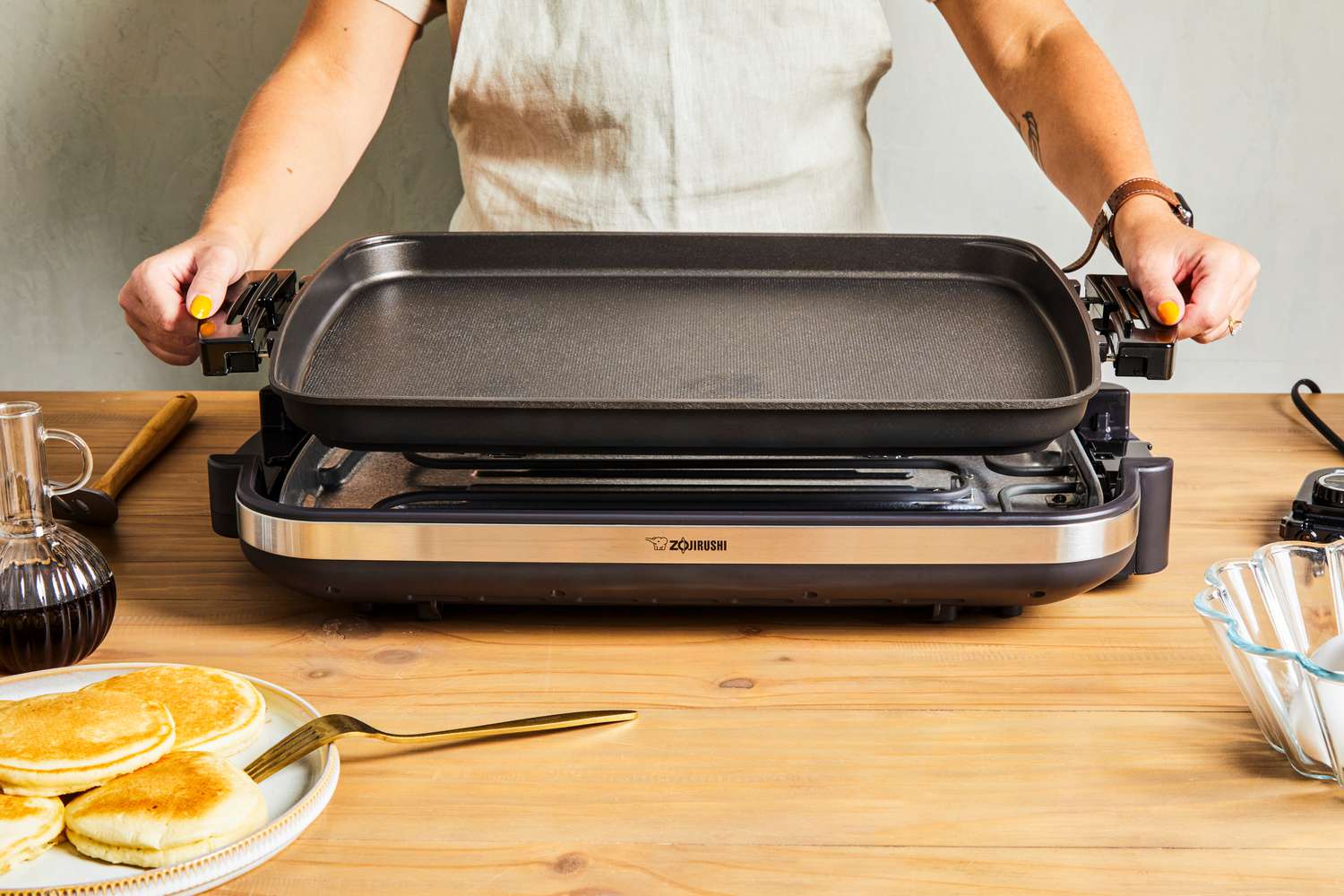
Their popularity stems from several key advantages. Electric griddles are celebrated for their incredibly even heat distribution, thanks to heating elements often embedded directly beneath or within the plate. This eliminates frustrating hot and cold spots, ensuring every pancake browns uniformly and every burger cooks consistently. They are also generally easier to install than their gas counterparts, often requiring only a suitable electrical hookup, making them highly versatile for various kitchen layouts, including smaller spaces or mobile catering units. Furthermore, in environments where gas lines are not available or where strict emissions regulations are in place, electric models become the logical and often superior choice. Their precise thermostatic controls also mean less radiant heat escapes into the kitchen, contributing to a cooler, more comfortable working environment for your staff.
Popular Types of Commercial Electric Griddle Plates and Key Features
When selecting a commercial electric griddle plate, the sheer variety of options can be overwhelming. Understanding the different types and their features is crucial to finding the perfect match for your specific operational needs and menu.
Plate Surface: Flat, Ribbed, and Mixed
The surface design of your griddle plate dictates the kind of cooking it excels at:
- Flat: This is the most common and versatile type, ideal for a vast array of foods like eggs, pancakes, bacon, grilled sandwiches, and stir-fries. It provides maximum contact for even browning.
- Ribbed: Featuring raised ridges, a ribbed surface is designed to mimic a charbroiler, creating appealing grill marks and channeling away excess grease. It’s perfect for meats, fish, and vegetables, but less suitable for delicate items like eggs or crepes.
- Mixed: Larger commercial griddles sometimes offer a combination of both flat and ribbed sections, providing ultimate flexibility for kitchens preparing diverse menus simultaneously.
Plate Material: Steel, Chromed Steel, Ceramic Glass, and Cast Iron
The material of the griddle plate significantly impacts its performance, durability, and cleaning requirements:
- Steel: The most common and economical choice, steel griddles are durable and offer good heat conduction. They require proper seasoning and maintenance to prevent wear and ensure longevity.
- Chromed Steel: A premium option, chrome surfaces are excellent at heat transfer directly to food, reducing ambient kitchen heat. They are naturally non-stick, resist flavor transfer, and are significantly easier to clean, often requiring less oil.
- Ceramic Glass: Known for its rapid heating and excellent energy efficiency, ceramic glass offers a very smooth, easy-to-clean surface.
- Cast Iron: While less common in electric commercial griddles, some models or drop-in plates may use cast iron for its exceptional heat retention, though it demands more maintenance, including regular seasoning.
Plate Thickness: A Foundation for Performance
The thickness of the griddle plate is a critical factor influencing heat retention and recovery. Plate thickness typically ranges from 1/2-inch to 1-inch, with thicker plates providing significant benefits:
- 1/2-inch Plates: These are suitable for light-duty applications or low-volume kitchens. They heat up quickly but can lose heat rapidly when cold food is added.
- 1-inch (or thicker) Plates: Ideal for heavy-duty, high-volume operations. A thicker plate acts as a thermal battery, absorbing and holding more heat. This ensures a stable surface temperature even when loaded with cold or frozen items, leading to consistent cooking and faster recovery times. As kitchen equipment specialist David Chen often advises, “For unwavering performance during peak hours, never underestimate the power of a thick griddle plate; it’s the heart of consistent cooking.”
Size and Configuration: Fitting Your Kitchen’s Footprint
Commercial electric griddle plates come in various sizes, typically ranging from a compact 14 inches to an expansive 72 inches in width. They are available in three main configurations:
- Countertop: These versatile units sit directly on a counter, offering flexibility in placement and making them ideal for smaller kitchens or those needing movable equipment.
- Freestanding: Designed as standalone appliances, these units often include storage space below and are best for kitchens with dedicated floor space.
- Drop-in: Integrated directly into a countertop cutout, these griddles create a seamless work surface, often seen in open-kitchen concepts or buffet lines.
Temperature Control: Precision at Your Fingertips
Modern commercial electric griddles offer sophisticated temperature control systems:
- Zoned Heating: Many larger griddles feature independently controlled heating zones, allowing you to cook different items at varying temperatures simultaneously on the same surface. This is a game-changer for efficiency.
- Thermostatic Controls: These range from basic manual knobs to highly precise solid-state electronic controls with thermocouples embedded in the plate material. Solid-state controls offer superior accuracy, reacting instantly to surface temperature changes, ensuring consistent performance for delicate items.
Detailed Guide to Choosing the Right Commercial Electric Griddle Plate
Selecting the ideal commercial electric griddle plate requires a thoughtful assessment of your kitchen’s specific needs. Here’s a comprehensive approach to make the best choice:
1. Assess Your Needs: Volume, Menu, and Space
Before diving into specifications, consider your operational context:
- Volume: How many customers do you serve during peak hours? High-volume establishments demand larger, thicker plates with robust recovery times.
- Menu: What will you primarily cook? A breakfast-heavy menu might benefit from a flat surface with excellent low-temperature control, while a steakhouse needs a powerful griddle with high searing capabilities, potentially a ribbed section.
- Space: Measure your available counter or floor space accurately. Countertop models are great for flexibility, while freestanding units require dedicated room.
2. Power and Wattage
Electric griddles range from 1,500 to 8,000 watts. Higher wattage translates to faster preheating and superior heat recovery. This is crucial for busy kitchens where adding cold food shouldn’t cause significant temperature drops. Ensure your electrical infrastructure can support the chosen wattage (e.g., 208V, 240V, single-phase, or three-phase power).
3. Material and Thickness for Specific Uses
- For Versatility & Budget: A high-quality steel plate, at least 3/4-inch thick, offers excellent all-around performance.
- For Delicate Items & Easy Cleaning: Chromed steel or ceramic glass surfaces are fantastic choices. Their non-stick properties and ease of cleaning reduce labor. A thicker plate will still ensure better heat retention.
- For Heavy-Duty Searing: Opt for a 1-inch thick steel or chromed steel plate for maximum thermal stability and rapid recovery when cooking dense proteins.
4. Temperature Control Features
Look for griddles with precise thermostatic controls that allow for a wide temperature range (e.g., 150°F to 570°F). Zoned heating is invaluable for diversified menus, enabling you to cook eggs at a lower temperature on one section while searing burgers at a higher temperature on another. Digital controls can offer even greater accuracy and programmability.
5. Grease Management and Safety Features
Effective grease management is non-negotiable for hygiene and safety. Look for:
- Built-in Grease Tray/Channel: Easily removable and large capacity drip trays simplify cleanup and prevent overflows.
- Splash Guards: High sides on the griddle help contain grease splatter, keeping your workspace cleaner and safer.
- Safety Certifications: Ensure the griddle is NSF certified for commercial use, meeting sanitation and safety standards.
6. Energy Efficiency Considerations
While gas griddles often boast faster recovery, modern electric griddles, especially those with chromed steel or ceramic glass plates, can be highly energy-efficient. Look for models with good insulation and ENERGY STAR certification to reduce operating costs and environmental impact. These can reduce energy costs by as much as 30% and improve heat retention.
Our Picks for the Best Electric Griddle in 2026
As an Amazon Associate I earn from qualifying purchases.
Num
Product
Action
1
Giantex Commercial Griddle, 22\" Electric Griddle 2000W, Cast Iron Griddle, Stainless Steel Frame, 122℉-572℉ Adjustable Temperature Control, Removable Oil Storage Box, Restaurant Teppanyaki Grill

2
Chefman XL Electric Griddle with Removable Temperature Control, Immersible Flat Top Grill, Burger, Eggs, Pancake Griddle, Nonstick Extra Large Cooking Surface, Slide Out Drip Tray, 10 x 20 Inch
3
COSTWAY 35\" Electric Griddle Teppanyaki Grill, Nonstick Extra Large Cooking Plate for Pancake Barbecue, Indoor Outdoor Table Top Grill with Adjustable Temperature & Drip Tray, 2000W
4
CROSSON 24\"*16\" Commercial Electric Countertop Griddle,Flat Top Heavy Duty Griddles with Non-Stick 2/5\" Thick Iron Cooking Plate for Restaurant use-120V/3500W,Spatula Bonuses
5
Costzon 35\" Electric Griddle Teppanyaki Grill, Nonstick Extra Large Griddle Long Countertop Grill with Adjustable Temperature & Drip Tray, Indoor Outdoor Holiday Cooking Plates for Pancake Barbecue
6
bella XL Electric Ceramic Titanium Griddle, Make 15 Eggs At Once, Healthy-Eco Non-stick Coating, Hassle-Free Clean Up, Large Submersible Cooking Surface, 12\" x 22\", Copper/Black
7
bella 10\" x 20\" Electric Griddle with Warming Tray, EverGood™ Ceramic Nonstick Coating & Removable Temperature Probe, Dishwasher-Safe Drip Tray & Cool Touch Handles, 1500 Watt, Oatmilk
8
21.6 IN Nonstick Stainless Steel Electric Griddle Adjustable Temperature Control Flat Top Griddle For Smokeless Cooking/Grill at Resturant, Kitchen, Indoor, Outdoor, Camping, Commercial
9
Presto 07061 22-Inch Electric Griddle with Removable Handles - Extra Large, Nonstick Ceramic, PFAS Free, Adjustable Temperature & Cool-Touch Handles, Black
10
Hamilton Beach Professional Cast Iron Indoor Electric Grill & Griddle, 10\" x 16\" Preseasoned Cooking Surface, Adjustable Temperature up to 450° F, Black (38560)
|
Our Picks for the Best Electric Griddle in 2026
As an Amazon Associate I earn from qualifying purchases.
|
||
| Num | Product | Action |
|---|---|---|
| 1 | Giantex Commercial Griddle, 22\" Electric Griddle 2000W, Cast Iron Griddle, Stainless Steel Frame, 122℉-572℉ Adjustable Temperature Control, Removable Oil Storage Box, Restaurant Teppanyaki Grill |
|
| 2 | Chefman XL Electric Griddle with Removable Temperature Control, Immersible Flat Top Grill, Burger, Eggs, Pancake Griddle, Nonstick Extra Large Cooking Surface, Slide Out Drip Tray, 10 x 20 Inch |
|
| 3 | COSTWAY 35\" Electric Griddle Teppanyaki Grill, Nonstick Extra Large Cooking Plate for Pancake Barbecue, Indoor Outdoor Table Top Grill with Adjustable Temperature & Drip Tray, 2000W |
|
| 4 | CROSSON 24\"*16\" Commercial Electric Countertop Griddle,Flat Top Heavy Duty Griddles with Non-Stick 2/5\" Thick Iron Cooking Plate for Restaurant use-120V/3500W,Spatula Bonuses |
|
| 5 | Costzon 35\" Electric Griddle Teppanyaki Grill, Nonstick Extra Large Griddle Long Countertop Grill with Adjustable Temperature & Drip Tray, Indoor Outdoor Holiday Cooking Plates for Pancake Barbecue |
|
| 6 | bella XL Electric Ceramic Titanium Griddle, Make 15 Eggs At Once, Healthy-Eco Non-stick Coating, Hassle-Free Clean Up, Large Submersible Cooking Surface, 12\" x 22\", Copper/Black |
|
| 7 | bella 10\" x 20\" Electric Griddle with Warming Tray, EverGood™ Ceramic Nonstick Coating & Removable Temperature Probe, Dishwasher-Safe Drip Tray & Cool Touch Handles, 1500 Watt, Oatmilk |
|
| 8 | 21.6 IN Nonstick Stainless Steel Electric Griddle Adjustable Temperature Control Flat Top Griddle For Smokeless Cooking/Grill at Resturant, Kitchen, Indoor, Outdoor, Camping, Commercial |
|
| 9 | Presto 07061 22-Inch Electric Griddle with Removable Handles - Extra Large, Nonstick Ceramic, PFAS Free, Adjustable Temperature & Cool-Touch Handles, Black |
|
| 10 | Hamilton Beach Professional Cast Iron Indoor Electric Grill & Griddle, 10\" x 16\" Preseasoned Cooking Surface, Adjustable Temperature up to 450° F, Black (38560) |
|
Tips for Effective Use and Maintenance of Your Commercial Electric Griddle Plate
To ensure your commercial electric griddle plate performs optimally and lasts for years, proper usage and meticulous maintenance are paramount.
Preheating and Temperature Management
Always preheat your griddle thoroughly before adding food. This ensures an even cooking surface and prevents food from sticking. Use the zoned heating capabilities to your advantage, setting different temperatures for various items to maximize efficiency. For instance, lower temperatures (around 200-300°F) are ideal for eggs and pancakes, while higher temperatures (350-450°F) are best for searing meats.
Cooking Techniques
Leverage the flat, expansive surface for maximum cooking area. For smash burgers, ensure the griddle is hot to achieve a beautiful crust. For delicate items like crepes, a consistent, lower heat is key. Don’t overcrowd the griddle; give food enough space to cook evenly and allow steam to escape.
Cleaning: The Foundation of Longevity and Hygiene
Regular cleaning is critical. A well-maintained griddle not only cooks better but also prevents flavor transfer and reduces the risk of bacterial growth and fire hazards.
- Daily Cleaning (Between Shifts & End of Day):
- Cool Down: Always unplug the griddle and let it cool, but not completely cold (around 300-350°F is often recommended for initial cleaning of steel plates).
- Scrape: Use a heavy-duty griddle scraper to remove food debris and excess grease into the grease tray.
- Deglaze (for steel): Pour a small amount of warm water (or white vinegar for stainless steel) onto the still-warm surface. The thermal shock helps loosen stubborn residue.
- Scrub: For steel plates, use a griddle brick or a non-abrasive pad. For chrome and composite plates, never use abrasive tools; instead, use a non-abrasive scrubby pad or a palmetto brush with warm water and a mild detergent.
- Rinse & Dry: Thoroughly rinse the surface with clean water and dry immediately with a clean cloth to prevent rust.
- Empty Grease Tray: Remove, empty, and clean the grease tray after each use.
- Wipe Down Exterior: Clean the stainless steel body and splash guards with a damp cloth.
- Weekly Deep Cleaning: Follow the daily routine, but be more thorough. For stainless steel, a professional degreaser can be used for cold cleaning, letting it sit for about 20 minutes before rinsing.
- Seasoning (for Steel/Cast Iron Plates): After cleaning a steel or cast iron griddle, apply a thin, even layer of high-smoke-point cooking oil (like avocado or grapeseed oil) to the warm surface. This creates a non-stick patina and protects against rust. Repeat this process regularly. Chromed steel and ceramic glass typically do not require seasoning.
Storage Tips
If storing a countertop griddle, ensure it is thoroughly cleaned, completely dry, and placed in a cool, airy location. Consider using a protective cover to prevent dust accumulation.
Delicious Dishes and Creative Ideas You Can Make with a Commercial Electric Griddle Plate
The commercial electric griddle plate is a canvas for culinary creativity, allowing you to prepare an astonishing variety of dishes with ease and consistency.
Breakfast Staples
- Fluffy Pancakes and Waffles: The even heat is perfect for golden, uniform results.
- Crispy Bacon and Sausage: Cook large batches efficiently.
- Perfect Eggs: Fry, scramble, or make omelets with precise temperature control.
- French Toast: Achieve a beautifully caramelized crust.
- Hash Browns: Get that diner-style crispy exterior.
Lunch and Dinner Options
- Sizzling Burgers and Sliders: Achieve an incredible sear and juicy interior.
- Gourmet Grilled Cheese and Paninis: Perfect for toasted, melted sandwiches.
- Philly Cheesesteaks: Sauté onions, peppers, and thinly sliced meat all in one go.
- Chicken and Steak Fajitas: Sear meats and sauté vegetables simultaneously in different zones.
- Stir-fries: The large flat surface acts like a giant wok, ideal for quick, high-heat cooking.
- Seared Scallops and Shrimp: Achieve a beautiful crust on delicate seafood.
Unexpected Culinary Adventures
Don’t limit yourself to the classics!
- Griddle Pizza: Roll out dough, cook one side, add toppings, and cover to melt the cheese for a unique crispy-crust pizza.
- Quesadillas and Tacos: Achieve perfect crispiness on tortillas while melting cheese and heating fillings.
- Crepes: The smooth, even surface is ideal for delicate, thin crepes, both sweet and savory.
- Roasted Vegetables: Toss vegetables with oil and seasoning for a quick, charred side dish.
Benefits of Using a Commercial Electric Griddle Plate in Everyday Cooking
Incorporating a commercial electric griddle plate into your kitchen offers a myriad of benefits that extend beyond simply cooking food.
Enhanced Productivity
With its large cooking surface and often multiple heating zones, an electric griddle allows chefs to prepare multiple items simultaneously, significantly boosting efficiency and reducing ticket times, especially during busy rushes.
Consistent Food Quality
The precise temperature control and even heat distribution inherent in electric griddles ensure that every dish is cooked to perfection, with consistent browning, texture, and flavor. This reliability is key to customer satisfaction and maintaining your establishment’s reputation.
Menu Versatility
As demonstrated by the diverse range of dishes possible, a single commercial electric griddle plate can handle everything from breakfast to dinner, sweet to savory, expanding your menu offerings without requiring additional specialized equipment.
Easier Cleanup (Compared to Multiple Pans)
While cleaning a griddle requires diligence, it’s often more straightforward than washing numerous pots and pans used for different cooking tasks. The large, open surface is designed for efficient scraping and wiping.
Healthier Cooking Options
For griddles with grooved plates, excess fat and grease are channeled away from the food, contributing to healthier meal preparation without sacrificing flavor.
Comfortable Kitchen Environment
Especially with chromed steel plates, electric griddles emit less radiant heat into the kitchen, making for a cooler and more comfortable working environment for your culinary team. This can be a significant factor in staff comfort and retention.
Frequently Asked Questions (FAQ)
Q1: What is the ideal plate thickness for a commercial electric griddle?
A1: For most commercial kitchens, a plate thickness of at least 3/4-inch to 1-inch is ideal. Thicker plates retain heat better, provide more consistent cooking temperatures, and recover faster when cold food is added, which is crucial for high-volume operations.
Q2: How does a chromed steel griddle plate differ from a standard steel plate?
A2: Chromed steel plates offer superior heat transfer directly to food, leading to less ambient heat in the kitchen. They are also naturally more non-stick, resist flavor transfer between different foods, and are significantly easier to clean than standard steel, which requires more diligent seasoning.
Q3: Can I cook different types of food simultaneously on a commercial electric griddle?
A3: Absolutely! Many commercial electric griddles feature independently controlled heating zones. This allows you to set different temperatures across the griddle surface, enabling you to cook various items like eggs, bacon, and pancakes all at once without compromising their ideal cooking conditions.
Q4: How often should I clean my commercial electric griddle plate?
A4: Your commercial electric griddle should be lightly cleaned between shifts and thoroughly cleaned at the end of each day. Deep cleaning procedures should be performed weekly or monthly, depending on the volume of use, to prevent stubborn residue buildup and maintain optimal performance.
Q5: Are electric griddles more energy-efficient than gas griddles?
A5: While gas griddles can heat up and recover quickly, modern electric griddles, especially those with advanced plate materials like chromed steel or ceramic glass and good insulation, can be very energy-efficient. They often provide more precise temperature control and can be a cost-effective option in areas where electricity is cheaper or gas installation is complex.
Q6: What types of food are best suited for a ribbed griddle surface?
A6: Ribbed griddle surfaces are best for foods where you want to achieve distinct grill marks and allow fat to drain away, similar to a charbroiler. This includes items like steaks, chicken breasts, fish fillets, and vegetables. They are not ideal for delicate, liquid-heavy items like eggs or pancakes.
Conclusion
The commercial electric griddle plate is undeniably a cornerstone of efficiency and culinary excellence in any professional kitchen. From its robust construction and diverse plate materials to precise temperature controls and exceptional versatility, it’s designed to meet the rigorous demands of high-volume cooking. By understanding the various types, features, and best practices for usage and maintenance, you can choose a product that not only fits your operational needs and budget but also elevates your menu offerings and streamlines your kitchen workflow.
Embrace the power of the electric griddle plate to deliver consistent quality, explore new culinary creations, and build a reputation for delicious, reliably cooked food. Invest wisely, maintain diligently, and watch your kitchen operations sizzle with success.