In the bustling heart of our kitchens, electric griddles have become indispensable, transforming breakfast routines and simplifying weeknight meals with their generous cooking surfaces and consistent heat. But as we increasingly focus on wellness, a critical question arises: is our beloved electric griddle truly supporting a healthy lifestyle, or could it be inadvertently introducing unwanted elements into our food? The answer often lies in understanding what makes an electric griddle truly non toxic. For over 15 years, as a kitchen equipment consultant and a content creator for KitchenPro, I’ve seen firsthand the shift towards mindful cooking, and choosing a non toxic electric griddle is a significant step towards a cleaner, healthier culinary journey.
|
Our Picks for the Best Electric Griddle in 2026
As an Amazon Associate I earn from qualifying purchases.
|
||
| Num | Product | Action |
|---|---|---|
| 1 | Presto 07061 22-Inch Electric Griddle with Removable Handles - Extra Large, Nonstick Ceramic, PFAS Free, Adjustable Temperature & Cool-Touch Handles, Black |

|
| 2 | Chefman XL Electric Griddle with Removable Temperature Control, Immersible Flat Top Grill, Burger, Eggs, Pancake Griddle, Nonstick Extra Large Cooking Surface, Slide Out Drip Tray, 10 x 20 Inch |
|
| 3 | COSTWAY 35\" Electric Griddle Teppanyaki Grill, Nonstick Extra Large Cooking Plate for Pancake Barbecue, Indoor Outdoor Table Top Grill with Adjustable Temperature & Drip Tray, 2000W |
|
| 4 | bella 10\" x 20\" Electric Griddle with Warming Tray, EverGood™ Ceramic Nonstick Coating & Removable Temperature Probe, Dishwasher-Safe Drip Tray & Cool Touch Handles, 1500 Watt, Oatmilk |
|
| 5 | Hamilton Beach Professional Cast Iron Indoor Electric Grill & Griddle, 10\" x 16\" Preseasoned Cooking Surface, Adjustable Temperature up to 450° F, Black (38560) |
|
| 6 | bella XL Electric Ceramic Titanium Griddle, Make 15 Eggs At Once, Healthy-Eco Non-stick Coating, Hassle-Free Clean Up, Large Submersible Cooking Surface, 12\" x 22\", Copper/Black |
|
| 7 | CROSSON 24\"*16\" Commercial Electric Countertop Griddle,Flat Top Heavy Duty Griddles with Non-Stick 2/5\" Thick Iron Cooking Plate for Restaurant use-120V/3500W,Spatula Bonuses |
|
| 8 | Giantex Commercial Griddle, 22\" Electric Griddle 2000W, Cast Iron Griddle, Stainless Steel Frame, 122℉-572℉ Adjustable Temperature Control, Removable Oil Storage Box, Restaurant Teppanyaki Grill |
|
| 9 | 21.6 IN Nonstick Stainless Steel Electric Griddle Adjustable Temperature Control Flat Top Griddle For Smokeless Cooking/Grill at Resturant, Kitchen, Indoor, Outdoor, Camping, Commercial |
|
| 10 | Costzon 35\" Electric Griddle Teppanyaki Grill, Nonstick Extra Large Griddle Long Countertop Grill with Adjustable Temperature & Drip Tray, Indoor Outdoor Holiday Cooking Plates for Pancake Barbecue |
|
What Makes an Electric Griddle “Non-Toxic”? Understanding the Essentials
At its core, an electric griddle is a versatile countertop appliance designed for flat-top cooking. It’s fantastic for everything from pancakes and eggs to grilled sandwiches and searing meats, offering precise temperature control that stovetop pans often can’t match. When we talk about a “non-toxic” electric griddle, we’re talking about more than just food safety in the traditional sense. We’re scrutinizing the materials that come into direct contact with your food, specifically looking for the absence of synthetic chemicals and heavy metals that could leach into your meals, especially under high heat. This commitment to non-toxicity gives you peace of mind, knowing that every meal you prepare is as pure and wholesome as possible.
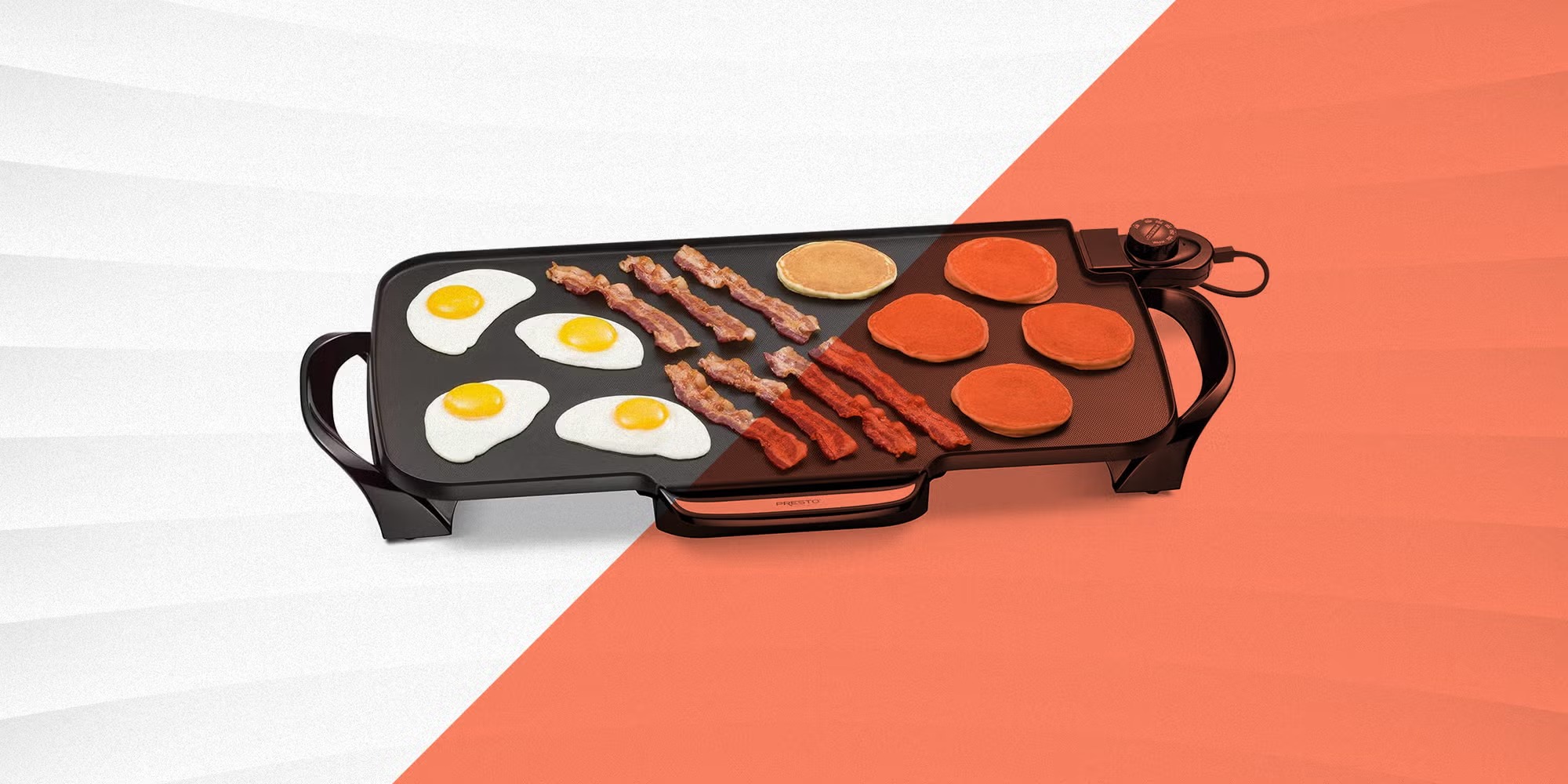
The Hidden Dangers: Why Traditional Non-Stick Coatings Are a Concern
For decades, many electric griddles, along with other non-stick cookware, relied heavily on coatings made with polytetrafluoroethylene, commonly known as PTFE, or by its brand name, Teflon. While incredibly convenient for easy food release, these traditional non-stick surfaces have raised significant health concerns. When overheated – which can happen easily on a griddle – PTFE can release fumes that are harmful, potentially causing flu-like symptoms in humans and being fatal to birds.
Furthermore, in the past, the manufacturing process for these coatings often involved perfluorooctanoic acid (PFOA), a member of the broader class of chemicals known as PFAS (Per- and Polyfluoroalkyl Substances). While PFOA has been largely phased out of production, PFAS chemicals are still a concern due to their persistence in the environment and potential links to various health issues. Choosing a griddle explicitly free from these substances, including lead, cadmium, and BPA, ensures you’re avoiding these potential risks, allowing you to focus purely on the joy of cooking.
Your Healthier Choices: Popular Non-Toxic Electric Griddle Materials
Navigating the world of non-toxic electric griddles means understanding the best materials available today. Each offers a unique blend of performance, durability, and health benefits, ensuring there’s an ideal choice for every cooking style.
Ceramic Non-Stick Griddles: The Modern Solution
Ceramic-coated electric griddles have rapidly grown in popularity, and for good reason. Unlike traditional non-stick, these coatings are typically derived from sand (silicon dioxide) and are celebrated for being free from PFAS, PFOA, lead, and cadmium. This makes them a fantastic choice for those prioritizing healthy cooking without sacrificing convenience.
The benefits are clear: ceramic surfaces offer excellent natural non-stick properties, making cooking and cleanup a breeze. Food glides off with minimal oil, and most messes can be wiped away with a damp cloth. Brands like GreenPan and GreenLife often use proprietary ceramic coatings, such as Thermolon, that are designed for durability and even heat distribution. However, it’s worth noting that while durable, ceramic coatings can be more susceptible to chipping if struck with metal utensils, so silicone or wooden tools are highly recommended.
Cast Iron Electric Griddles: A Timeless and Durable Option
For those who value tradition and unbeatable durability, cast iron electric griddles are an exceptional non-toxic choice. Cast iron is naturally free of synthetic chemicals, and with proper seasoning – a process where oil is baked onto the surface to create a natural, stick-resistant layer – it becomes one of the healthiest cooking surfaces available.
The advantages of cast iron are legendary: it offers superior heat retention and incredibly even heat distribution, ensuring your food cooks consistently from edge to edge. Imagine perfectly seared steaks or evenly browned pancakes every time! While a cast iron griddle might take a little longer to heat up, it holds that heat beautifully. Maintaining a cast iron griddle involves simple steps like hand washing and re-seasoning, which can be a satisfying ritual that ensures your griddle lasts for generations. Hamilton Beach, for instance, offers professional cast iron electric griddle options that bring this classic material into the electric format.
Stainless Steel Electric Griddles: Robust and Reliable
Stainless steel electric griddles represent another fantastic non-toxic option, offering a sleek, durable surface that is both toxin-free and remarkably easy to maintain. This material is highly resistant to scratches and corrosion, meaning a stainless steel griddle can withstand rigorous daily use and look good doing it.
While stainless steel doesn’t inherently possess the same non-stick properties as ceramic or well-seasoned cast iron, this can be easily remedied with a touch of oil or butter. Once you get the hang of it, stainless steel delivers excellent heat distribution, making it great for everything from searing meats to frying eggs. The beauty of stainless steel lies in its sheer toughness; it’s a long-term investment that won’t require replacement anytime soon. Some models from brands like VEVOR feature stainless steel bodies combined with cast iron surfaces for the best of both worlds.
How to Choose Your Perfect Non Toxic Electric Griddle: A Buyer’s Guide
Selecting the right non toxic electric griddle isn’t just about avoiding harmful chemicals; it’s about finding an appliance that seamlessly integrates into your cooking routine, offering both safety and superior performance.
Material Matters: Prioritizing Safety and Performance
When making your choice, the griddle’s cooking surface material should be your top priority. As we’ve discussed, ceramic, cast iron, and stainless steel are your go-to non-toxic options. If ease of cleaning and immediate non-stick performance without much fuss are key, a ceramic-coated griddle free from PFAS, PFOA, lead, and cadmium is an excellent choice. If you prefer long-term durability, exceptional heat retention, and don’t mind a bit of seasoning, cast iron is unparalleled. For a robust, low-maintenance option that will last a lifetime, stainless steel is a strong contender, provided you’re comfortable with adding a bit of oil for non-stick results.
Size and Cooking Surface: Matching Your Needs
Consider how much food you typically cook and for how many people. Electric griddles come in various sizes, from compact models perfect for small households to extra-large surfaces capable of feeding a crowd. A large 200-square-inch surface, like those found in some Hamilton Beach Durathon models, can easily handle a full family breakfast. Think about your kitchen space too; some models offer removable handles or slimline designs for compact storage.
Temperature Control and Even Heating: The Key to Culinary Success
Precise and adjustable temperature control is crucial for an electric griddle. Look for models that offer a wide temperature range (e.g., 200°F to 400°F) and maintain consistent heat across the entire cooking surface. Even heating prevents hot spots and ensures your food cooks uniformly, whether you’re making delicate crepes or hearty pancakes. A powerful wattage (e.g., 1500 watts) often indicates quicker heat-up times and better temperature recovery.
Ease of Cleaning and Maintenance: Keeping it Simple
A truly great non toxic electric griddle should also be easy to clean. Many modern griddles feature removable cooking plates that are fully immersible, or the entire griddle (once the heat control is removed) can be submerged in water for thorough cleaning. A slip-out drip tray is also a highly desirable feature, catching excess grease and making cleanup much easier. For cast iron, while it requires hand washing, its maintenance is straightforward once you’ve established a seasoning routine.
Additional Features to Look For
Beyond the core essentials, several additional features can enhance your griddle experience:
- Cool-touch handles: Allow for safe handling and movement of the griddle, even when hot.
- Removable handles: Great for compact storage, especially in smaller kitchens.
- Reversible plates: Some griddles offer a reversible surface with a flat griddle on one side and a grill on the other, increasing versatility.
Mastering Your Non Toxic Electric Griddle: Tips for Use and Care
Once you’ve chosen your non toxic electric griddle, knowing how to use and care for it properly will extend its lifespan and ensure consistently delicious results.
Proper Pre-Heating is Key
Always allow your griddle to pre-heat to the desired temperature before adding food. This is especially important for non-stick surfaces, as it ensures even cooking and prevents food from sticking. For cast iron, pre-heating slowly and thoroughly is essential for optimal performance.
Using Appropriate Utensils
To protect your non-stick ceramic surfaces, always opt for silicone, wooden, or heat-resistant plastic utensils. Metal utensils can scratch and damage the coating over time, reducing its non-stick effectiveness and potentially compromising its non-toxic properties. For cast iron and stainless steel, metal utensils are generally fine, but exercising care will prevent unnecessary scratches.
Cleaning Routines for Different Materials
- Ceramic: After the griddle cools, wipe it clean with a soft cloth or sponge and warm, soapy water. Avoid abrasive cleaners or harsh scouring pads, which can damage the ceramic coating. Many ceramic plates are dishwasher safe, but hand washing is often gentler and prolongs their life.
- Cast Iron: Clean cast iron griddles immediately after use, while still warm (but not hot). Scrape off any food residue, then wash with hot water and a stiff brush (avoid soap if possible, as it can strip seasoning). Dry thoroughly on the stovetop or with a towel to prevent rust, then apply a thin layer of cooking oil to maintain seasoning.
- Stainless Steel: Stainless steel is quite forgiving. It can be cleaned with soap and water, and for stubborn spots, a non-abrasive scrubber can be used. Always dry it completely to prevent water spots.
Seasoning Cast Iron
For cast iron electric griddles, seasoning is vital. Apply a thin layer of high-smoke-point oil (like flaxseed, grapeseed, or vegetable oil) to the entire cooking surface. Wipe off any excess, then heat the griddle to a moderate temperature for an hour. Let it cool, and repeat the process a few times. This creates a natural, durable non-stick layer that improves with every use.
Beyond Breakfast: Creative Meals with Your Non Toxic Electric Griddle
Your non toxic electric griddle is a powerhouse for more than just morning meals. Its consistent, flat heat opens up a world of culinary possibilities, making healthy and delicious cooking accessible every day.
Healthy Breakfast Ideas
Of course, the classic breakfast spread is where the griddle shines. Whip up fluffy blueberry pancakes, perfectly cooked eggs (fried, scrambled, or as omelets), crispy bacon, and golden-brown French toast. You can even sauté spinach and mushrooms for a healthier egg scramble. “A non-toxic electric griddle truly elevates breakfast, turning everyday staples into a wholesome feast,” says Chef Anya Sharma, a culinary expert and healthy eating advocate.
Lunch and Dinner Transformations
Don’t pack your griddle away after breakfast!
- Grilled Sandwiches and Paninis: Make gourmet grilled cheese or paninis with fresh ingredients and artisanal bread.
- Stir-Fries and Sautéed Vegetables: The large, flat surface is perfect for quick stir-fries. Sauté colorful bell peppers, onions, zucchini, and snap peas with your favorite protein for a healthy, vibrant meal.
- Seared Meats and Fish: Achieve a beautiful crust on chicken breasts, pork chops, or salmon fillets. The even heat ensures they cook through perfectly without drying out.
- Quesadillas and Wraps: Crispy, cheesy quesadillas are quick and easy. You can also warm tortillas for tacos or burritos.
- Smash Burgers: The griddle is ideal for creating delicious smash burgers with perfectly caramelized edges.
The Benefits of Going “Non-Toxic”: Why It Matters
Investing in a non toxic electric griddle is more than just a purchase; it’s a commitment to a healthier lifestyle and a smarter kitchen.
Health Advantages
The most significant benefit is reducing your exposure to potentially harmful chemicals. By choosing ceramic, cast iron, or stainless steel, you’re eliminating concerns about PFAS, PFOA, PTFE, lead, and cadmium leaching into your food. This contributes to better overall well-being and peace of mind for you and your family.
Environmental Impact
Non toxic griddles, especially those made with durable materials like cast iron and stainless steel, are built to last. This means less frequent replacement, reducing waste and contributing to a more sustainable kitchen. Even ceramic coatings, when properly cared for, offer extended life compared to older non-stick technologies.
Peace of Mind
Knowing that your cooking surface is free from questionable chemicals allows you to cook without worry. You can experiment with higher temperatures, sear with confidence, and simply enjoy the process of preparing nutritious meals for your loved ones.
Long-Term Savings
While some non-toxic options might have a slightly higher upfront cost, their superior durability and longevity often translate into long-term savings. You won’t be constantly replacing worn-out griddles with flaking coatings.
Frequently Asked Questions About Non Toxic Electric Griddles
When considering the switch to a non toxic electric griddle, a few common questions often come up. Here are some straightforward answers.
Q1: Are ceramic non-stick coatings truly safe?
A1: Yes, modern ceramic non-stick coatings are generally considered safe. They are typically made from inorganic materials, free from PFAS, PFOA, lead, and cadmium, offering a healthier alternative to traditional PTFE-based non-stick surfaces.
Q2: How long do non-toxic electric griddles typically last?
A2: The lifespan varies by material. Well-maintained cast iron and stainless steel griddles can last a lifetime, even generations. Ceramic-coated griddles, with proper care (using non-metal utensils, avoiding abrasive cleaners), can last for several years, often outperforming traditional non-stick.
Q3: Can I use metal utensils on a non-toxic griddle?
A3: It is best to avoid metal utensils on ceramic-coated non-toxic griddles to prevent scratching the surface. Silicone, wooden, or heat-resistant plastic utensils are recommended. Metal utensils are generally acceptable on cast iron and stainless steel, though care should still be taken.
Q4: What’s the best way to clean a non-toxic electric griddle?
A4: For ceramic, use warm, soapy water and a soft sponge after it cools. For cast iron, scrape food residue, wash with hot water (minimal to no soap), dry thoroughly, and re-oil. Stainless steel can be cleaned with soap and water, and occasionally a mild abrasive for stubborn spots.
Q5: Is a “PFOA-free” label enough to guarantee a non-toxic griddle?
A5: While “PFOA-free” is a good start, it’s not the full picture. Look for labels that also explicitly state “PTFE-free,” “PFAS-free,” “lead-free,” and “cadmium-free” to ensure the most comprehensive non-toxic claim for your electric griddle.
In the journey toward a healthier kitchen, the choice of a non toxic electric griddle is a powerful one. It’s about more than just cooking; it’s about nurturing well-being and making informed decisions for your home. By opting for materials like ceramic, cast iron, or stainless steel, you’re embracing a future where convenience meets health, without compromise. So, go ahead, explore the possibilities, and bring the joy of truly healthy cooking to your daily routine. Your taste buds, and your body, will thank you.