Hello, fellow culinary enthusiasts! As a seasoned veteran in kitchen equipment and your go-to expert at KitchenPro, I’ve seen countless innovations transform our home cooking. Today, let’s dive into a topic that often sparks questions and a little apprehension: using a flat top griddle for an electric glass top stove. For many, the sleek, modern aesthetic of a glass top stove is a kitchen centerpiece, but the thought of placing a heavy griddle on it can be daunting. Fear not! With the right knowledge and a few insider tips, you can unlock a world of delicious possibilities right on your existing stovetop.
|
Our Picks for the Best Electric Griddle in 2026
As an Amazon Associate I earn from qualifying purchases.
|
||
| Num | Product | Action |
|---|---|---|
| 1 | 21.6 IN Nonstick Stainless Steel Electric Griddle Adjustable Temperature Control Flat Top Griddle For Smokeless Cooking/Grill at Resturant, Kitchen, Indoor, Outdoor, Camping, Commercial |

|
| 2 | COSTWAY 35\" Electric Griddle Teppanyaki Grill, Nonstick Extra Large Cooking Plate for Pancake Barbecue, Indoor Outdoor Table Top Grill with Adjustable Temperature & Drip Tray, 2000W |
|
| 3 | bella 10\" x 20\" Electric Griddle with Warming Tray, EverGood™ Ceramic Nonstick Coating & Removable Temperature Probe, Dishwasher-Safe Drip Tray & Cool Touch Handles, 1500 Watt, Oatmilk |
|
| 4 | Costzon 35\" Electric Griddle Teppanyaki Grill, Nonstick Extra Large Griddle Long Countertop Grill with Adjustable Temperature & Drip Tray, Indoor Outdoor Holiday Cooking Plates for Pancake Barbecue |
|
| 5 | Hamilton Beach Professional Cast Iron Indoor Electric Grill & Griddle, 10\" x 16\" Preseasoned Cooking Surface, Adjustable Temperature up to 450° F, Black (38560) |
|
| 6 | Giantex Commercial Griddle, 22\" Electric Griddle 2000W, Cast Iron Griddle, Stainless Steel Frame, 122℉-572℉ Adjustable Temperature Control, Removable Oil Storage Box, Restaurant Teppanyaki Grill |
|
| 7 | Presto 07061 22-Inch Electric Griddle with Removable Handles - Extra Large, Nonstick Ceramic, PFAS Free, Adjustable Temperature & Cool-Touch Handles, Black |
|
| 8 | Chefman XL Electric Griddle with Removable Temperature Control, Immersible Flat Top Grill, Burger, Eggs, Pancake Griddle, Nonstick Extra Large Cooking Surface, Slide Out Drip Tray, 10 x 20 Inch |
|
| 9 | CROSSON 24\"*16\" Commercial Electric Countertop Griddle,Flat Top Heavy Duty Griddles with Non-Stick 2/5\" Thick Iron Cooking Plate for Restaurant use-120V/3500W,Spatula Bonuses |
|
| 10 | bella XL Electric Ceramic Titanium Griddle, Make 15 Eggs At Once, Healthy-Eco Non-stick Coating, Hassle-Free Clean Up, Large Submersible Cooking Surface, 12\" x 22\", Copper/Black |
|
The Allure of the Flat Top Griddle: More Than Just a Pan
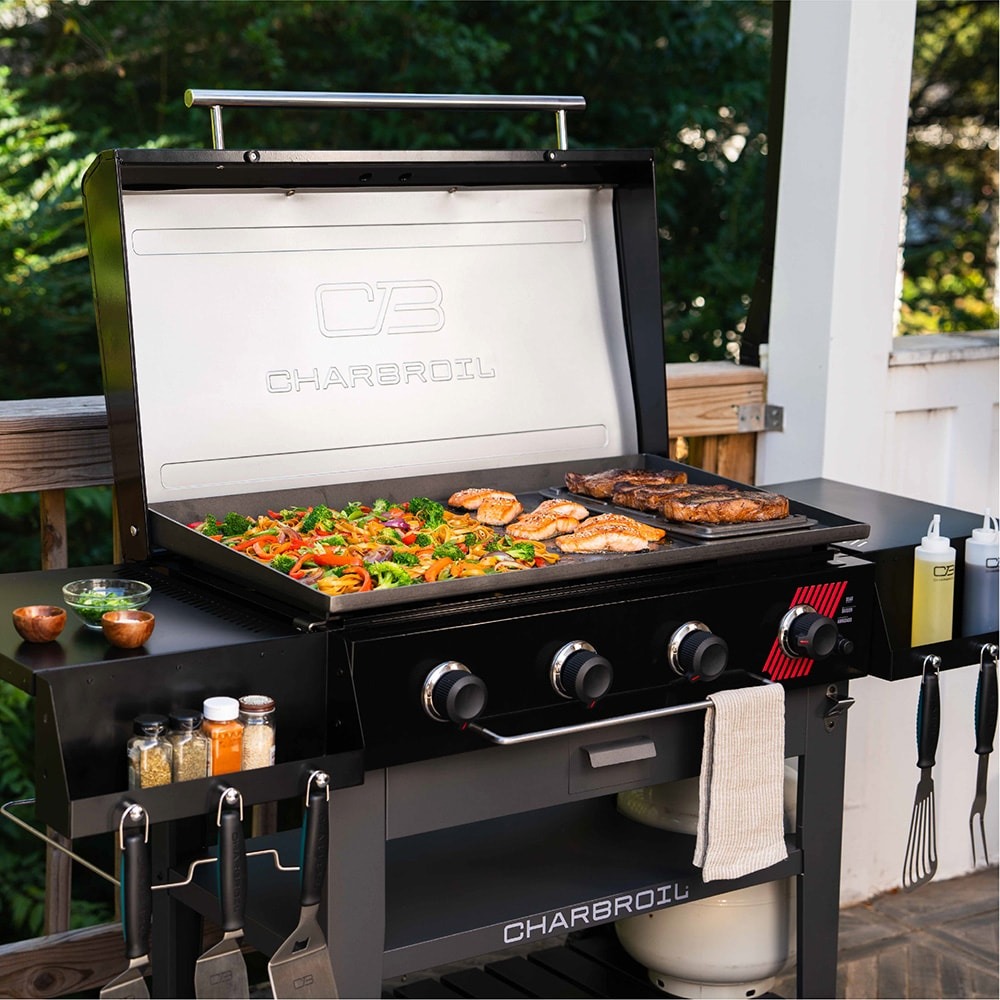
So, what exactly is a flat top griddle? Imagine a large, versatile cooking surface, typically rectangular or square, designed to sit directly on your stovetop burners. Unlike traditional skillets with high sides, griddles boast low edges or no sides at all, providing an expansive, uninterrupted canvas for your culinary creations. This generous space is precisely why a flat top griddle holds such a strong appeal, especially for those with electric glass top stoves. It transforms your individual burners into a cohesive, restaurant-style cooking station, perfect for whipping up everything from a grand weekend breakfast to sizzling weeknight dinners.
Navigating Compatibility: Flat Top Griddles and Your Glass Top Stove
One of the most frequent concerns I hear is, “Is a flat top griddle safe to use on my electric glass top stove?” The short answer is a resounding yes, but with crucial considerations. Your glass top stove, while durable, requires a gentle touch and appropriate cookware to maintain its pristine surface. The key is understanding how these two pieces of equipment interact.
Firstly, heat distribution is paramount. Glass top stoves rely on direct contact for efficient heat transfer. Therefore, a griddle designed to sit flat and evenly across two burners is ideal, ensuring consistent heating and preventing your stove’s elements from overheating [1 – search 2, 3 – search 2]. Secondly, preventing scratches is a major concern. Heavy materials, like traditional cast iron, need careful handling. Avoid sliding the griddle across the glass surface; always lift and place it gently to protect your stove from unsightly marks [3 – search 2]. Gradual heating is also essential to prevent warping of the griddle and potential damage to your stovetop from sudden temperature changes [3 – search 2, 4 – search 2].
Unpacking the Best Materials for Your Glass Top Griddle
When selecting a flat top griddle for an electric glass top stove, the material is a game-changer. Each offers unique advantages and requires specific care.
- Cast Iron: A classic for a reason, cast iron is celebrated for its incredible heat retention and ability to create a beautiful, even sear. It’s fantastic for achieving those crispy bacon strips or perfectly browned pancakes. However, cast iron is notoriously heavy, which means extra caution is needed when placing and moving it on a glass top to avoid scratches or cracks [3 – search 2, 5 – search 1]. It also heats up slowly, so patience is a virtue here [3 – search 2].
- Carbon Steel: Often considered the best of both worlds, carbon steel griddles offer excellent heat distribution and retention, similar to cast iron, but are typically lighter and more responsive to temperature changes [2 – search 1, 4 – search 1, 4 – search 2]. Many carbon steel griddles come pre-seasoned, offering a natural non-stick surface that improves with use, much like cast iron [2 – search 1, 4 – search 2]. This material is a fantastic choice for a flat top griddle on an electric glass top stove due to its durability and relatively smoother surface.
- Aluminum (with Non-Stick Coating): Lightweight and quick to heat, aluminum griddles with non-stick coatings are a popular choice for convenience. They make cooking and cleanup a breeze. However, the durability of the non-stick coating can vary, and metal utensils should be avoided to prevent scratching the surface [3 – search 1]. Look for high-quality, PFOA/PFOS-free ceramic non-stick options for a healthier cooking experience [1 – search 2, 2 – search 2].
- Stainless Steel Clad: While less common for solid griddles, stainless steel is often used in clad cookware due to its non-reactive nature and sleek appearance. When combined with an aluminum or copper core, it can provide good heat distribution. Stainless steel pans are generally preferred for glass top stoves to prevent scratches [1 – search 2]. For a griddle, a heavy-gauge stainless clad base can offer even heating.
Choosing Your Perfect Flat Top Griddle: What to Look For
Selecting the ideal flat top griddle for your electric glass top stove boils down to a few key features:
Size and Fit
Most stovetop griddles are designed to span two burners, creating a large, unified cooking area [2 – search 1, 1 – search 2]. Before purchasing, measure your stovetop’s burner spacing to ensure the griddle fits comfortably and makes even contact with both heating elements. A griddle that’s too small for your burners might lead to uneven heating, while one that’s too large could hang over the edge unsafely.
Surface Type
Do you prefer a smooth surface for pancakes, eggs, and quesadillas, or a reversible griddle with a ribbed side for grill marks on steaks and vegetables? Many excellent griddles offer both, giving you maximum versatility [4 – search 1, 2 – search 2, 3 – search 2]. For a glass top, a smooth, heavy-bottomed griddle is generally preferred for optimal contact and heat transfer.
Non-Stick Properties
Whether it’s the natural, developing seasoning of cast iron or carbon steel, or a durable ceramic non-stick coating, an easy-release surface is a huge plus. This simplifies cooking and cleanup, allowing you to focus on enjoying your meal. Pre-seasoned carbon steel and cast iron offer a naturally non-stick surface that improves over time and is free from synthetic coatings [1 – search 1, 2 – search 1].
Handles and Drip Trays
Ergonomic, heat-resistant handles are vital for safe transport, especially with heavier griddles. A well-designed drip tray is another excellent feature, capturing excess grease and making cleanup significantly easier [1 – search 1].
Electric Griddles vs. Stovetop Griddles: A Quick Look
While the focus here is on stovetop griddles for your existing electric glass top stove, it’s worth briefly touching on their standalone electric cousins. Dedicated electric griddles come with their own heating elements and temperature controls, offering precise, independent operation. They are fantastic for large batches or when you need an extra cooking surface. However, a stovetop flat top griddle leverages your existing stove, often provides more powerful heat for searing, and integrates seamlessly into your kitchen layout without needing extra counter space or storage for another appliance. It allows you to transform your stove’s capabilities without adding another bulky item to your collection.
Mastering Your Flat Top Griddle: Tips for Optimal Use and Care
Using a flat top griddle for an electric glass top stove is an art, and here are my pro tips to ensure both culinary success and the longevity of your equipment:
Preheating Protocol
Always preheat your griddle slowly and gradually. Start with low heat on both burners and increase it to medium, allowing the griddle to come up to temperature over several minutes [1 – search 2, 3 – search 2, 4 – search 2]. This prevents thermal shock to your glass top and ensures even heat distribution across the griddle surface, which is crucial for perfect cooking.
Heat Management
“Less is often more when it comes to heat on a griddle, especially on glass top stoves,” advises Chef Isabelle Dubois, a renowned culinary consultant. “Most electric cooktops only need 1/3 to 1/2 power to reach optimal cooking temperatures, around 350-375 degrees Fahrenheit. Overheating can lead to scorching and make cleanup much harder.” [1 – search 2] Keep settings at medium or medium-low for most tasks.
Utensil Wisdom
To protect non-stick coatings and the seasoning of cast iron or carbon steel, opt for non-metal utensils. Silicone, wood, or nylon tools are your best friends, preventing scratches and extending your griddle’s lifespan [3 – search 1].
Cleaning & Maintenance
The beauty of a griddle often lies in its straightforward cleanup. After cooking, allow the griddle to cool down, then scrape off any food residue with a flat-edged spatula. For seasoned griddles, a warm rinse and a quick wipe with a paper towel, followed by a thin layer of cooking oil, is usually sufficient to maintain the non-stick surface. For coated griddles, follow manufacturer instructions, often involving warm soapy water and a soft sponge [1 – search 2].
Avoiding Scratches
This tip bears repeating: never slide a heavy griddle across your glass top stove [2 – search 2, 3 – search 2]. Always lift it directly off the surface and place it gently. A protective mat for storage when cool can also be a good idea.
Culinary Adventures: Dishes to Sizzle on Your Flat Top Griddle
The possibilities with a flat top griddle are truly endless. Once you get the hang of it, you’ll wonder how you ever cooked without one!
- Breakfast Classics: From fluffy pancakes and French toast to crispy bacon, sizzling sausages, and perfectly fried eggs, your griddle will be your breakfast MVP. You can cook an entire family breakfast all at once!
- Lunch and Dinner Delights: Think perfectly seared smash burgers, gooey grilled cheese sandwiches, quesadillas, and fajitas with beautifully charred vegetables and meats. The large, even surface makes stir-fries a breeze.
- Creative Culinary Ideas: Don’t stop at the obvious! Try making homemade tortillas, heating pitas, searing delicate fish fillets, or even toasting sandwich buns to perfection. The consistent heat allows for versatile cooking techniques.
The Everyday Benefits: Why a Flat Top Griddle is a Kitchen Must-Have
Embracing a flat top griddle for your electric glass top stove offers a cascade of benefits that elevate your daily cooking experience:
- Efficiency: Cook more food at once, cutting down on meal prep time and making family meals a cinch. No more juggling multiple pans! [1 – search 1]
- Healthier Cooking: Many griddles, especially reversible ones, feature channels or drip trays that allow excess fat to drain away, leading to lighter, healthier meals [1 – search 1, 4 – search 1, 2 – search 2].
- Enhanced Flavor: Particularly with seasoned cast iron or carbon steel, a well-maintained griddle develops a rich patina that imparts incredible flavor to your food, getting better with every use [1 – search 1, 5 – search 1].
- Space-Saving: By converting your existing stovetop, you save valuable counter space compared to a standalone electric griddle. And many stovetop griddles are slim enough to store easily.
- Versatility: From searing to frying to toasting, a griddle offers a diverse range of cooking methods, consolidating the functions of several different pans into one essential tool.
Frequently Asked Questions About Flat Top Griddles for Glass Top Stoves
Can I use cast iron on a glass top stove?
Yes, you can use cast iron, but with extreme care. Always lift and place it gently, never slide it, to avoid scratches. Preheat slowly to prevent thermal shock and warping. [3 – search 2, 5 – search 1]
How do I prevent scratches on my glass top stove when using a griddle?
Avoid sliding the griddle; always lift it. Choose griddles with a smooth, flat bottom. Some materials like carbon steel or stainless steel clad may be less abrasive than rough cast iron. A spacer kit, if available for your griddle, can also help [1 – search 1].
What’s the best way to clean my griddle?
For seasoned griddles, scrape off food, wipe with a paper towel, and apply a thin layer of oil. For non-stick, use warm soapy water and a soft sponge. Always clean after use once it has cooled down. [1 – search 2]
How do I season a carbon steel or cast iron griddle?
Seasoning involves baking thin layers of oil onto the surface, creating a natural non-stick finish. Many carbon steel griddles come pre-seasoned [2 – search 1, 4 – search 2]. For unseasoned or re-seasoning, apply a very thin layer of high-smoke-point oil (like flaxseed or grapeseed), wipe off excess, and heat gradually until it smokes and turns dark. Repeat this process several times.
What temperature should I use for my flat top griddle on a glass top stove?
Start with low to medium heat. Electric cooktops usually need only 1/3 to 1/2 power to heat a griddle to 350-375°F, which is ideal for most cooking. Avoid high heat to prevent warping and scorching. [1 – search 2]
Can a flat top griddle cover more than two burners?
Most stovetop griddles are designed for two burners. While larger ones might exist, ensure they make even contact with the heating elements. Some specialized griddles might fit specific larger stoves or have bridge elements.
Conclusion
The flat top griddle for an electric glass top stove is a fantastic addition to any kitchen, offering unparalleled versatility and efficiency. By choosing the right material, understanding proper usage and maintenance, and embracing a few safety precautions, you can transform your everyday cooking and elevate your culinary game. From fluffy morning pancakes to sizzling evening stir-fries, your griddle will quickly become your favorite tool for creating memorable meals. So, go ahead, explore the possibilities, and share your delicious griddle adventures with us at KitchenPro – happy cooking!